
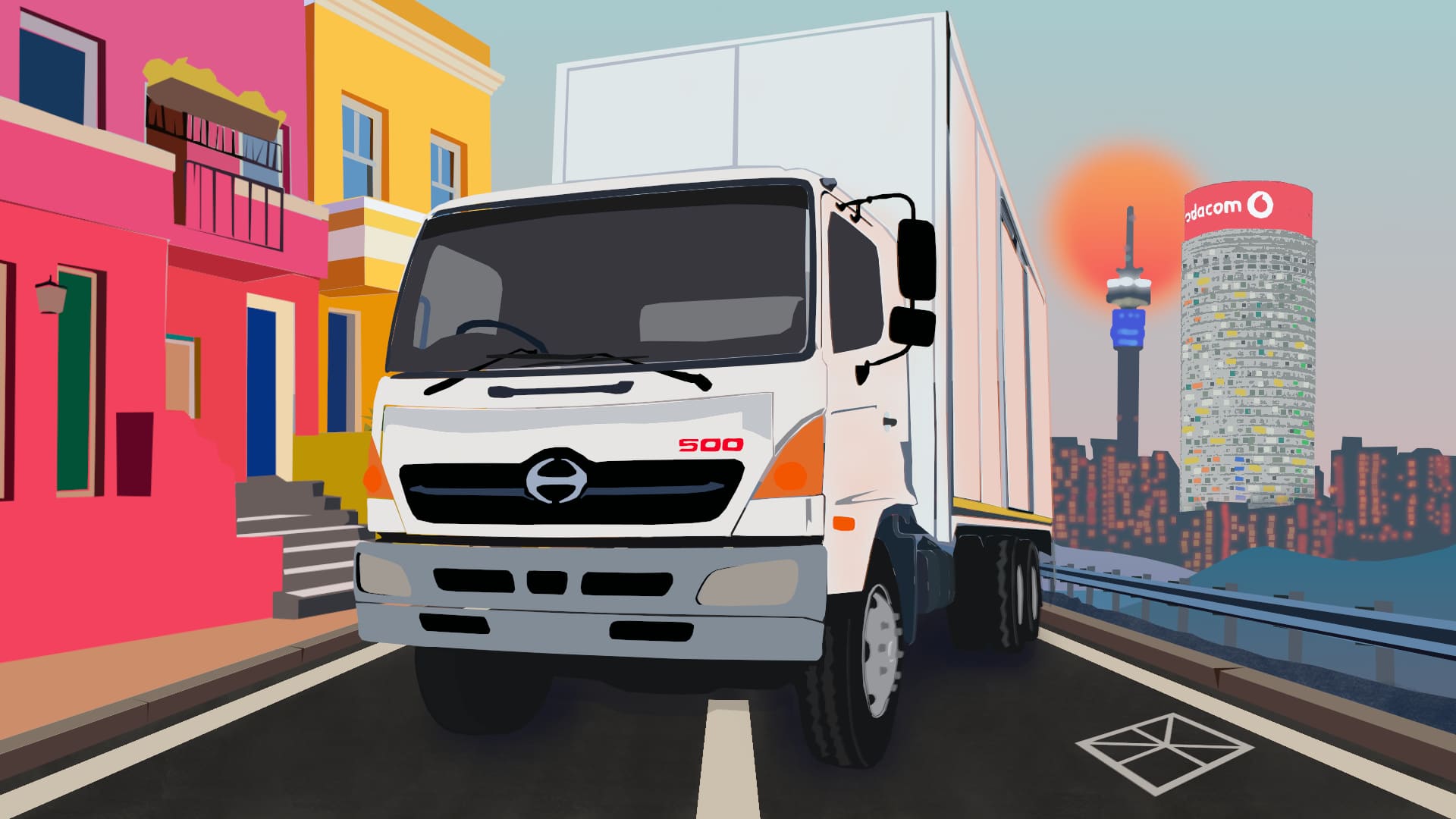

In South Africa, where road freight shoulders over 80% of goods movement amid crumbling rail infrastructure, a de-fleeting consultant is the strategic linchpin that transforms fleet downsizing and asset disposal from costly chaos into a disciplined, value-maximizing process. With high capital lockup in aging vehicles, rising maintenance burdens, and shifting logistics models, the decision to de-fleet—whether through sales, scrapping, or repurposing—carries immense financial and operational risk. Internal teams often lack the market insight, valuation rigor, and disposal networks to extract full residual value or minimize tax and compliance pitfalls. A de-fleeting consultant delivers specialized expertise that turns macro volatility and micro inefficiencies into structured gains, protecting cash flow and enabling reinvestment.
Macroeconomic pressures make expert de-fleeting guidance indispensable. Stagnant GDP growth below 2%, rand depreciation, and diesel prices consuming 30–40% of haulage budgets signal the urgency of releasing capital from underperforming assets. Port delays, loadshedding, and logistics costs at 12–15% of GDP—double global norms—force operators to shrink fleets to match reduced volumes or pivot to subcontracting. Regulatory shifts like the AARTO demerit system and impending carbon taxes accelerate obsolescence of non-compliant vehicles, while scrap metal price volatility and export restrictions complicate disposal. A de-fleeting consultant conducts macroeconomic stress-testing, forecasts residual values under currency and commodity swings, and structures timed exits—selling high-mileage units before market saturation or scrapping pre-emission deadlines—converting stranded assets into liquidity.
At the microeconomic level, poorly executed de-fleeting erodes margins through hidden losses. Vehicle hijackings (up 700% in high-risk corridors) and accident rates where human error causes 80% of incidents devalue fleets overnight; SMEs in mining, agriculture, or retail struggle with terrain-damaged trucks that fetch poor resale without proper refurbishment. A de-fleeting consultant performs forensic audits—assessing odometer accuracy, service history, and structural integrity through certified inspections, then prioritizing high-return units for auction, trade-in, or cross-border sale. They negotiate bulk disposal contracts, manage refurbishment to boost resale by 15–20%, and secure tax-efficient scrapping via SARS-compliant certificates. For smaller operators, this expertise prevents fire sales, recovers VAT, and levels the playing field against larger players with in-house disposal arms.
Critically, a de-fleeting consultant future-proofs balance sheets. As electric fleets and ESG mandates emerge, they orchestrate transitions—identifying EV-eligible chassis for conversion credits, channeling proceeds into lease-back models, and embedding carbon offset gains from responsible scrapping. Their independence ensures unbiased channel selection (auctions, dealers, or recyclers) and ROI validation, avoiding value leakage.
In essence, South Africa’s economic battlefield demands more than downsizing—it requires precision extraction. A de-fleeting consultant decodes macro risks, engineers micro recoveries, and architects capital release, converting fleet reduction from a loss event into a profit engine. Without one, value bleeds; with one, businesses rebuild stronger.